How to Move a Pet Safely When Moving House → London
How to Move a Pet Safely When Moving House to London removals. Fully insured, fixed price.
From £299



Moving house is stressful enough without worrying about your pet. If you have a dog, cat, rabbit or something more exotic, knowing how to move a pet correctly makes the whole process calmer for everyone. This guide covers everything: preparation, transport, costs, legal requirements and how Giant Van helps your household move go smoothly so you can focus on your animal's wellbeing.

House removal services across London and the wider UK. If you need to move a pet as part of a house relocation, we handle all your household belongings so you can travel separately with your animal. We cover domestic moves of all sizes, from single-bedroom flats to large family homes. Call 020 3129 6180 to discuss your move and get a fixed-price quote for your area.
Understanding the property mix helps us plan the right crew size, van, and equipment for your move.
Yes. Most pets can be moved safely during a house move with the right preparation. The key is planning ahead and keeping your animal's routine as normal as possible in the days before and after the move.
Dogs and cats are the most common pets in UK households, and both can travel well in a vehicle as long as they are secured properly. The Highway Code (Rule 57) requires that animals are suitably restrained in a vehicle so they cannot distract the driver or cause injury. A secured crate or a pet harness attached to a seatbelt anchor are the two standard options.
Smaller animals such as rabbits, guinea pigs, hamsters and birds need a secure carrier placed away from direct sunlight and draughts. For fish, specialist transport bags or lidded buckets with oxygen maintain water quality for journeys up to around four hours.
Reptiles and exotic pets require additional steps. Some species need a heat source maintained during transit. Always check if your local council or the new area has any licensing requirements for the species you keep.
The good news is that the actual moving day is often the smoothest part. Animals sense disruption in the days leading up to the move, so managing their environment early reduces stress. Keep feeding times consistent, maintain familiar bedding smells, and try to load them into the vehicle last and unload them first at the new property.
The cost to move a pet within the UK depends on the type of animal, the distance, and if you use professional help or manage it yourself.
For a standard domestic move where your pet travels in your own car or a hired vehicle, the main costs are:
- A quality pet carrier or crate: £20 to £120 depending on size and materials - A mid-journey check-in with a vet (optional but recommended for long hauls): £30 to £60 per consultation - Calming aids such as pheromone sprays or vet-prescribed sedatives: £10 to £40
If you hire a specialist pet courier for a longer relocation within the UK, expect to pay £80 to £300 depending on the journey length and number of animals.
These services use temperature-controlled vehicles and provide regular welfare checks.
For international moves from the UK, costs rise significantly.
The Government's official pet travel scheme requires a microchip, up-to-date rabies vaccination and an animal health certificate (AHC) issued no more than 10 days before departure. An AHC from your vet typically costs £150 to £300. Airline-approved cargo holds for pets add several hundred pounds to the cost of a flight.
Giant Van does not transport live animals in the removal lorry.
Your pets must travel separately in a car or dedicated pet transport. However, Giant Van handles all your furniture, boxes and household belongings so you can focus your energy and vehicle space entirely on your animals and their equipment.
Costs vary widely depending on the type of animal and the distance involved. For a typical domestic house move with a dog or cat, budget £50 to £200 to cover a vet visit, a quality carrier, calming products and any registration updates. For specialist pet couriers within the UK, costs sit between £80 and £300. International moves involving an Animal Health Certificate add £150 to £300 in vet fees on top of travel costs. Giant Van's removal service is quoted separately and covers all your household belongings. Call 020 3129 6180 for a tailored removal quote.
All prices include a fully insured crew, van, and moving blankets. Packing services available as add-ons.
Get your exact priceBook a check-up at least two weeks before moving day. Your vet can update vaccinations, microchip records and prescribe mild sedatives if your animal has anxiety. Confirm your pet's microchip is registered to your new address before you leave the old property.
Pack your pet's bedding and favourite toys last. The familiar smell of home reduces anxiety during transit and helps them settle in at the new property faster.
Include food, water, bowls, medication, waste bags or a litter tray, and a copy of vaccination records. Have this in the car from the start of moving day so you do not need to search for it.
On moving day, one adult should be responsible solely for the animal. This person manages feeding, toilet breaks and checking the carrier temperature throughout the journey.
Products like Feliway (cats) and Adaptil (dogs) release synthetic versions of natural calming pheromones. Start using them 48 hours before moving day for best effect.
For journeys over two hours, factor in stops every 90 minutes. Dogs need a short walk. Cats and small animals need to be checked for signs of overheating or distress. Never leave animals unattended in a parked vehicle, especially in warm weather.
Enter your collection and delivery addresses, select your property size, and list any large items. See a fixed price in under 60 seconds.
Pick a date and time slot that works for you. Add packing materials or extra helpers if you need them.
A fully insured crew arrives on time, wraps and loads your belongings, and delivers everything to your new home.

Giant Van provides professional house removal services across the UK.
While pets cannot travel in the removal lorry, our service takes care of everything else so moving day is as simple as possible for you and your animals.
Our standard removal service includes: - A dedicated team of experienced removal crew - A large removal lorry sized to your home contents - Professional loading and unloading at both properties - Furniture protection using blankets and wrapping materials - Disassembly and reassembly of flat-pack furniture where needed We also offer packing and unpacking services if you want your belongings boxed and arranged professionally.
This is particularly useful when you have animals to manage, because it frees you to set up your pet's safe room at the new property without worrying about the rest of the house.
Our storage service is worth considering if there is a gap between leaving your old home and getting the keys to the new one.
A short-stay storage unit means your belongings are secure while you and your pet stay somewhere comfortable before the final move-in date.
Giant Van operates across London and the wider UK.
To discuss your specific requirements and get a quote, call us on.
We are happy to talk through how to structure your moving day so your pets are looked after from start to finish.
Get a fixed-price quote for removals in How to Move a Pet Safely When Moving House. Insured crews, no hidden fees.
“Best removal service I've used”
Sarah, London
Place your pet in a quiet room with their bedding, food, water and litter tray. Put a sign on the door so the removal crew knows not to open it.
A full stomach increases the chance of travel sickness, particularly in cats and dogs. A small meal two to three hours before departure is enough.
Let Giant Van's crew work through the property while your pet stays secured in their room. This keeps foot traffic away from the animal until the lorry is almost ready.
Transfer them to the car just before you are ready to leave. The shorter the time spent in the carrier before the journey begins, the calmer most animals remain.
How to Move a Pet Safely When Moving House to London removals. Fully insured, fixed price.
From £299
How to Move a Pet Safely When Moving House to Manchester. Next-day slots available.
From £249

How to Move a Pet Safely When Moving House to Birmingham. Same-day available.
From £249

London to How to Move a Pet Safely When Moving House. Insured crews, no hidden fees.
From £299

Understanding UK regulations helps you avoid fines and delays when you move a pet, if you are relocating domestically or internationally.
Microchipping is mandatory for dogs in England, Scotland and Wales under the Microchipping of Dogs (England) Regulations 2015.
Your dog must be chipped by the age of eight weeks. When you move house, update the microchip database with your new address within the required period. Most databases allow online updates for a small admin fee.
Cats will be required to be microchipped in England from June 2024 under new legislation.
If you have a cat, confirm their chip is registered before your moving date.
Dangerous dog breeds are subject to additional rules.
Pit Bull Terriers, Japanese Tosas, Dogo Argentinos and Fila Brasileiros are prohibited under the Dangerous Dogs Act 1991. You cannot keep these breeds without a court exemption order, which must remain current.
For international moves, the UK Government's pet travel scheme sets out the requirements for moving pets to EU countries and beyond.
You need a valid microchip, a rabies vaccination given at least 21 days before travel, and an Animal Health Certificate issued by an Official Veterinarian no more than 10 days before arrival at the destination. Rules vary for non-EU countries, so check the official GOV.UK guidance well in advance.
Rented properties: if you are moving to a rented home, check the tenancy agreement.
The Renters (Reform) Act 2024 strengthens tenants' rights to keep pets in England, but your landlord may still require you to have pet insurance as a condition of consent.
Booked online in under a minute and the crew turned up right on time. Everything was wrapped carefully and nothing was damaged. Genuinely the easiest move I've had.
The quote I got online was exactly what I paid. No hidden fees, no extra charges on the day. The two-man crew were professional, fast, and really friendly.
Our original movers cancelled last minute. Giant Van had a crew available the same day. They handled a full 2-bed flat and had us settled in by evening.
Book your How to Move a Pet Safely When Moving House move before slots fill up
Check Availability
We know How to Move a Pet Safely When Moving House well. Our drivers navigate the local streets daily, handling everything from narrow terraced house access to large detached properties. Every move is treated with care because our reputation in How to Move a Pet Safely When Moving House depends on it.
How to Move a Pet Safely When Moving House Operations, Giant Van Driver
Giant Van has helped thousands of households across the UK move to their new homes. We understand that for many families, pets are part of the household, and moving day needs to be planned around their welfare as much as the furniture.
We offer straightforward, transparent pricing with no hidden charges. When you call , you speak to a real person who understands what a house move involves, including the added layer of managing animals on the day.
Our crews are experienced in working quickly and quietly to minimise disruption. We work to your timeline, which matters when you have an anxious dog or a cat that needs to be settled before nightfall.
We offer flexible booking for weekday and weekend moves. If your vet recommends travelling at a specific time of day to avoid overheating or peak traffic, we can adjust the schedule to suit.
Our packing service is a practical choice for pet owners. When you are managing a dog, a cat and a removal lorry simultaneously, having your belongings professionally packed before the day removes one significant pressure point.
We also offer man and van services for smaller moves, which can be ideal when you are moving a single-bedroom flat and want to travel in the same vehicle as your pet without needing a full removal lorry.
Whatever the size of your move, Giant Van provides the reliability and practical support that makes a pet-friendly moving day achievable. Call us on or book online to get a fixed-price quote.
£50,000
Transit Insurance
Accredited
Industry Certified
UK moving demand follows seasonal patterns. Off-peak months typically offer lower prices and more crew availability.
Here are the main alternatives used by UK households.
Professional pet courier services specialise in transporting animals between UK addresses. Couriers use purpose-built vehicles with individual compartments, temperature control and regular welfare checks. This is a good option for elderly, anxious or unwell animals who would benefit from a specialist handler. Costs range from £80 to £300 for domestic moves.
Booking your pet into a kennel or cattery on moving day is a popular choice. It removes them from the stress of the move entirely and gives you a full day to focus on the logistics. Book early, as local facilities fill up quickly around popular moving periods such as school summer holidays. Expect to pay £20 to £50 per night depending on location and facility.
Asking a trusted person to look after your pet for the day, or even for a few days around the move, is often the simplest solution. Your pet stays with someone they know in a calm environment, and you move without the added responsibility on a busy day.
Some pet owners arrange for a house-sitter to stay with the animal at the old property until the move is complete, then transport them separately once the new home is set up. This works well for cats, who are particularly sensitive to environmental change.
The right choice depends on your animal's temperament, the distance of your move and your budget on moving day.
Planning well in advance is the single most important thing you can do when you need to move a pet.
Animals pick up on human stress very quickly.
When you have a clear plan, your moving day is calmer and your pet adjusts to the new home faster.
Giant Van handles the heavy lifting so you have the time and mental space to manage your animal's needs properly.
If you are ready to plan your move, call Giant Van on 020 3129 6180.
Our team will help you schedule a move that works around your pet's routine and gives you the best chance of a smooth, stress-free relocation for your whole household.
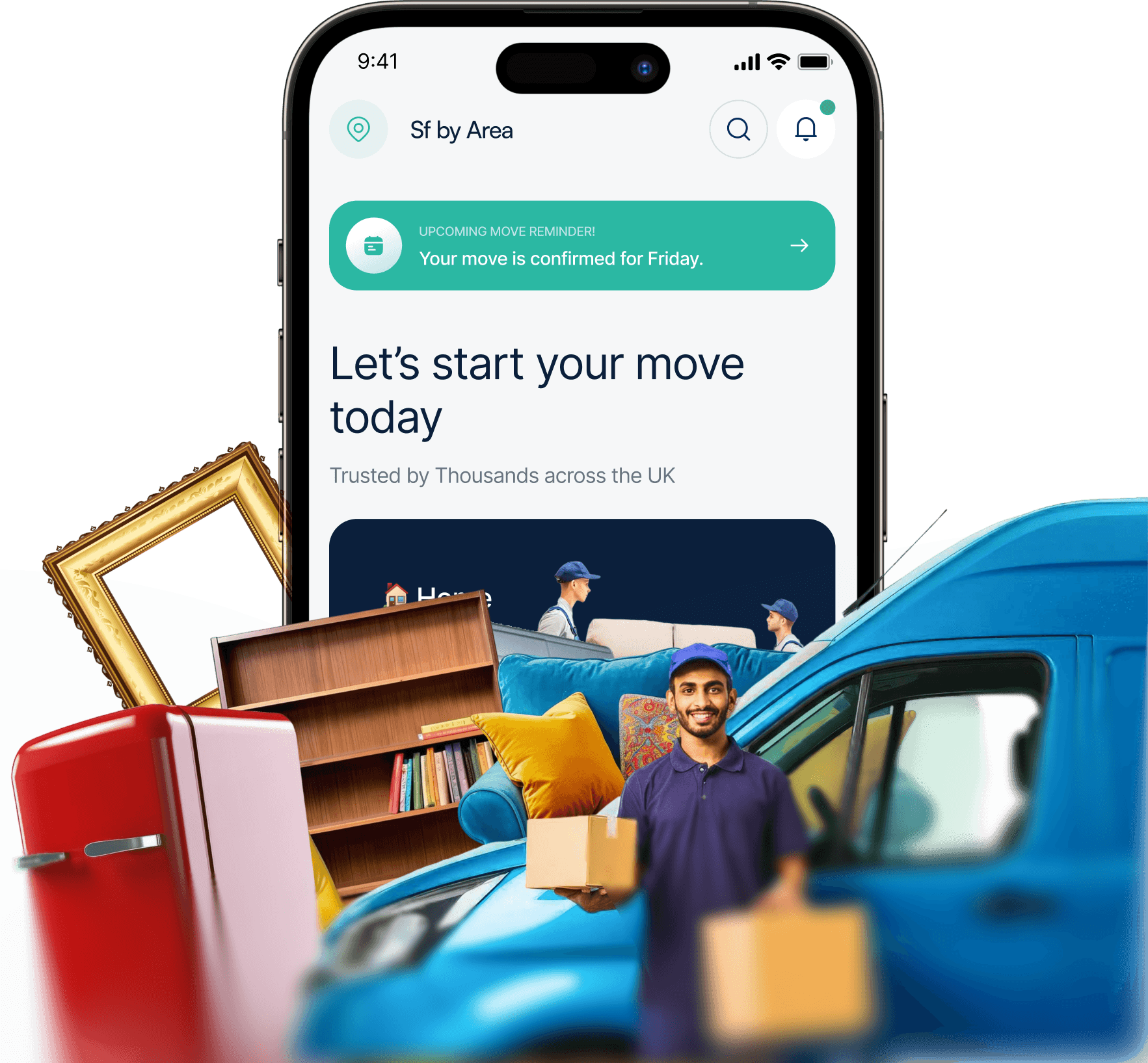
Download the Giant Van app to get live driver tracking, instant quotes, and manage your bookings on the go.
Reviewed by Giant Van Moving Experts, Moving Specialist Team at Giant Van — How to Move a Pet Safely When Moving House operations
Giant Van Ltd. Registered in England & Wales.
Get a fixed-price quote for removals in How to Move a Pet Safely When Moving House. Insured crews, no hidden fees, same-day availability.