
How Removals Work with Giant Van: Book a UK Removal in 3 Steps
Giant Van simplifies how removals work. Get a fixed online removal quote in 60 seconds, book your date without a callback, and track your driver live on moving day. No hidden charges. No last-minute surprises. Your removal confirmed in minutes.
Get Your Quote
Enter your details and get an instant removal quote online in under 60 seconds.
Book Your Move
Confirm your date, time slot, and any extras — all done online in minutes.
We Move You
Your vetted driver arrives on time. Track them live on your booking page on moving day.
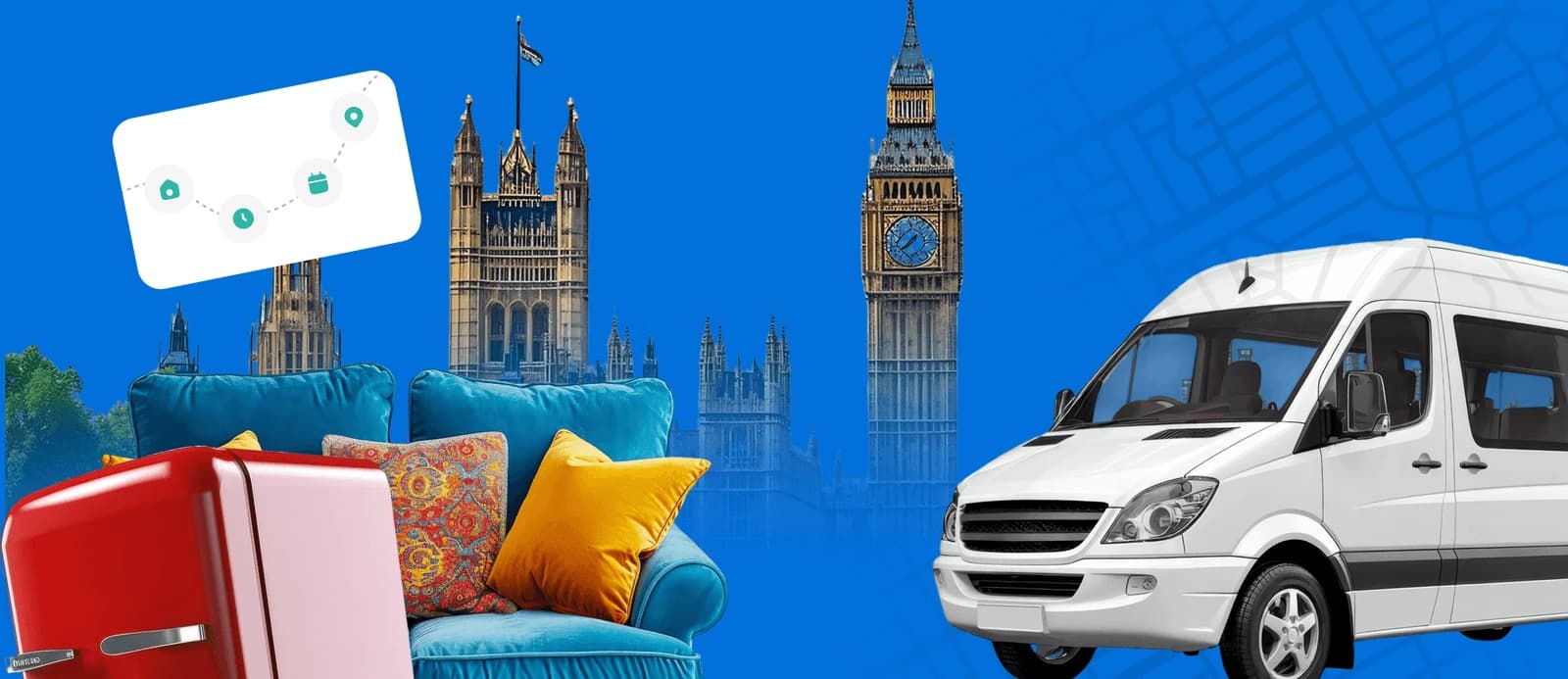
Get an Instant Quote
Enter your pickup and delivery details to get a transparent price in seconds.
Book Your Move
Choose your preferred date, time, and van size. Add helpers or insurance if needed.
What's Included
Track Your Driver
Watch your driver in real-time as they head to your location.
UK Pricing Guide 2026
How Much Does a Moving Service Cost?
Understanding the cost of moving house in the UK shouldn't require a maths degree. Here's an honest breakdown of what affects your removal quote and what the average cost of removals UK looks like in 2026 — from studio flats to 4-bed properties, local moves to long-distance relocations.
What Affects Your Removal Quote
Average Cost of Moving House in the UK
2026 pricing guide
Included in Every Booking
Optional Extras
Moving House Preparation Timeline
How to Prepare for Moving House
A smooth move starts well before moving day. This moving house checklist walks you through exactly what to do — from six weeks out to the day after your move — so nothing gets missed.
- Confirm your moving date and book your removal service as early as possible — popular slots fill up fast
- Start decluttering: sell, donate, or dispose of anything you won't take
- Begin collecting boxes and packing materials (or add our packing service)
- Notify your utility providers, GP, DVLA, bank, and employer of your new address
- Cancel or transfer your council tax with your local authority
- If renting, give your landlord the required notice and arrange an end-of-tenancy inspection
- Begin packing non-essential rooms first (spare bedrooms, loft, garage)
- Label every box clearly with its contents and destination room
- Arrange for parking outside both properties on moving day — your driver will need space
- Confirm your booking details via your Giant Van account online
- Set up mail redirection with Royal Mail (allow 5 working days)
- Defrost your fridge freezer at least 24 hours before the move
- Disassemble large furniture (beds, desks, wardrobes) and bag all fixings
- Pack a clearly labelled “First Night” box: bedding, towels, toiletries, phone charger, kettle, mugs, tea bags
- Confirm parking arrangements and any building access requirements at both ends
- Take meter readings at your current property for final utility bills
- Keep a small essentials bag with you: phone charger, medication, keys, documents, and a kettle
- Do a final walk-through of every room, cupboard, loft, and outbuilding before your driver leaves
- Sign off on the condition of items with your driver if required
- Take meter readings at the new property and photograph them
- Test that heating, hot water, and electrics are working at the new address
- Unpack your “First Night” box and set up bedrooms first
- Check all items against your inventory and report any issues within 24 hours via your Giant Van account online
- Register with your new GP, dentist, and local council
- Update your address with DVLA, vehicle insurance, and breakdown cover
Room-by-Room Packing Guide
How to Pack a House for Moving
Knowing how to pack for moving house makes a significant difference to how smoothly your move goes — and how much arrives undamaged. These moving house packing tips cover every room, from kitchen crockery to garage tools, so nothing gets left behind or broken in transit.
Pack fragile items (crockery, glasses) in individual sheets of packing paper. Place heavier items at the bottom of boxes. Clearly label boxes as “FRAGILE”. Fill empty space with scrunched paper or bubble wrap to stop movement. Drain and dry appliances like kettles and coffee machines before packing.
Clothes can stay on hangers — ask about our wardrobe boxes. Bedding makes ideal padding for mirrors and artwork. Pack seasonal clothing first and keep everyday items until last. Remove drawers from dressers to reduce weight and wrap mirrors in bubble wrap with cardboard corners.
Disassemble flat-pack furniture where possible and bag all screws together labelled with the item name. Wrap individual sofa cushions and TV screens separately. Use original boxes for electronics where you still have them. Photograph cable setups before disconnecting.
Tape lids on liquids or place them in sealed bags to prevent spills. Pack these last as you'll need them right up to moving morning. Dispose of any out-of-date medicines and half-used toiletries to reduce unnecessary weight.
Back up all computer data before moving day. Pack monitors in original boxes or wrap in blankets with screen protectors. Label all cables and peripherals. Keep important documents, passports, and financial paperwork in a separate bag you carry personally.
Let children pack a special bag of favourite toys to keep with them on moving day. Use colour-coded labels so kids can identify their boxes at the new house. Disassemble bunk beds and cots — keep all fixings in labelled bags taped to the frame.
Drain fuel from lawnmowers and power tools before transport. Dispose of paint, chemicals, and flammable items responsibly — these cannot go in the van. Bundle garden tools together with rope or bungee cords. Check the loft thoroughly; it’s the most commonly forgotten space.
How to Fold Packing Boxes Correctly
To fold a removal box securely: form the base by folding the two short flaps in first, then the two long flaps over the top. Tape along the join and across both short flaps for maximum strength. Never rely on box friction alone — a single strip of tape down the centre is insufficient for anything heavier than paper.
Packing Tips for Specialist Items
Large Sofas
Wrap in furniture blankets. If a sofa won't fit through a doorway, we can sometimes disassemble feet and arms — mention it when you get your quote.
Mattresses
Use a mattress bag (available from most removal suppliers). Never carry a mattress flat without protection; moisture and dirt damage foam quickly.
Fridge Freezers
Defrost at least 24 hours before moving. Transport upright where possible — laying a fridge on its side can damage the compressor. Leave to stand for 4 hours before switching on.
Heavy Furniture
Use furniture sliders on hard floors. Never drag across carpets without blankets underneath. Our drivers are trained to handle heavy items safely.
TVs & Monitors
If you have the original box, use it. Otherwise, wrap the screen in a soft blanket, then bubble wrap, and transport vertically. Never lay a TV face-down.
Mirrors & Glass
Tape an X pattern across the glass face to reduce shatter risk. Wrap in bubble wrap and place inside a picture box or between two pieces of cardboard. Always transport vertically.
Specialist Item Guides
Moving Specialist Items
Some items need more thought than a standard removal. Here's how Giant Van handles the most common specialist pieces — from piano removals and fridge freezers to moving house with a cat. Flag any of these when you get your quote so we allocate the right team and equipment.
How to Move a Piano
Pianos are heavy, awkward, and easily damaged by incorrect technique. An upright piano typically weighs 150–250kg; a grand piano can exceed 400kg. Never attempt to move a piano without specialist equipment and training. Giant Van's piano removal service uses proper piano skates, straps, and protective boards. Flag that you have a piano when you get your quote and we'll ensure the right team and equipment are allocated.
Get a piano removals quoteMoving a Fridge Freezer
Always defrost your fridge freezer at least 24 hours before your move date. On the day, transport it upright — laying it on its side risks oil from the compressor entering the cooling tubes, which can cause permanent damage. At the new property, leave it standing for 4 hours before switching it back on.
Moving a Sofa or Large Furniture
If you're worried about getting a sofa through a doorway, the key checks are: measure the sofa's height, depth, and any diagonal, then measure the door frame width and the turning space in the hallway. Many sofas that appear impossible to move can pass through at an angle. Our drivers are experienced at this — flag any access concerns when you get your quote.
Moving with a Cat or Other Pets
How you move house with a cat matters for their wellbeing. On moving day, keep your cat in one quiet room with food, water, and their litter tray — ideally the last room to be packed. Transport them in a familiar carrier. At the new property, confine them to one room for the first few days while they acclimatise. Update their microchip address as soon as possible. Dogs should similarly be kept in a calm environment during loading.
Moving a Washing Machine
Turn off the water supply and disconnect the hoses at least 12 hours before your move. Run a short drain cycle to remove residual water. Secure the drum with transit bolts (usually supplied with the machine) to prevent internal damage during transport. Keep the machine upright at all times. At the new property, remove transit bolts before use or the drum will be damaged on the first spin cycle.
Moving Artwork & Antiques
Wrap framed artwork individually in acid-free tissue paper, then bubble wrap, and transport vertically — never flat. For high-value antiques and paintings, consider our premium insurance add-on for full peace of mind. Photograph each piece before wrapping for your own records. Our drivers use padded blankets and straps to keep items secure in transit.
Check our insurance optionsOur Technology Makes Moving Easier
What Can You Move With Giant Van?



Where We Operate
Giant Van provides removal services across the UK. Moving within a single city or relocating long-distance, the process is identical: instant quote online, confirmed booking, real-time tracking on the day.
Why Customers Choose Giant Van
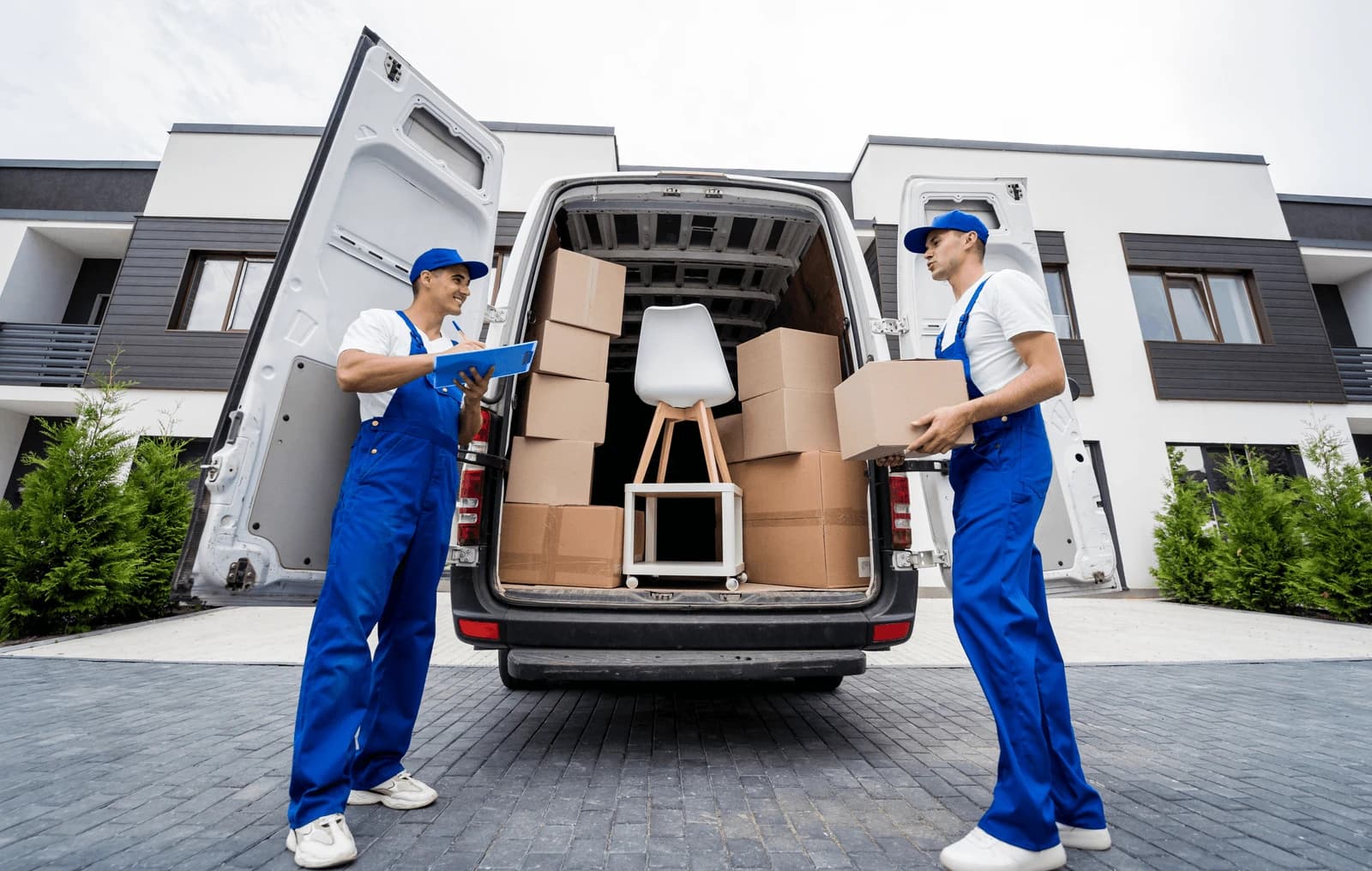
Customers consistently highlight speed, transparency, communication, and care. Every move includes goods-in-transit insurance as standard, and we provide fully insured removal services across the UK.


Frequently Asked Questions
How do removals work with Giant Van?
Removals work in three steps with Giant Van: get an instant quote online, confirm your booking, then track your driver in real time on moving day. The whole booking process takes under 5 minutes. Your driver arrives at the agreed time, loads your belongings, and delivers them to your new address. Loading and unloading are included in every booking.
How quickly can I get a removal quote online?
Instantly. Our online removal quote tool calculates your price in under 60 seconds. Enter your postcodes, property type, and items — you'll see a real, bookable price straight away with no callbacks needed.
What is the average cost of moving house in the UK?
The average cost of moving house in the UK is £300–£500 for a studio or 1-bed flat, £600–£900 for a 2–3 bed property, and £1,000–£1,800+ for a 4-bed home. Distance, floor access, and timing all affect the final price. Get an instant, fixed quote for your specific move in 60 seconds.
Can I book a same-day move?
Yes, subject to availability. If you need to move today, get a quote and check what slots are open. We regularly have drivers available for last-minute bookings, particularly for man and van jobs.
How do I compare removal quotes?
The most effective removal quote comparison is to use an instant online tool that gives you a real price rather than a vague estimate. Giant Van's quote tool gives you a firm, bookable price in 60 seconds — you see exactly what is included before you confirm.
How do I track my move on the day?
Open your Giant Van booking page. Once your driver sets off, you'll see real-time GPS tracking — exactly like tracking a parcel, but for your belongings.
Are my belongings insured during the move?
Yes. Every booking includes basic goods-in-transit insurance at no extra cost. For higher-value items, you can add premium insurance during checkout for full peace of mind.
Do your drivers help with loading and unloading?
Yes, loading and unloading is included in every booking. Your driver will help carry items from your property to the van and from the van into your new place. Flag any particularly heavy or awkward items when you get your quote.
What happens if I need to change my booking?
Log into your account or the Giant Van app and update your booking details. If you need to change your date, do so at least 24 hours before your scheduled move to avoid rescheduling charges.
How do I prepare for moving house with Giant Van?
Get your quote first to lock in your date. Then: declutter early, pack room by room, label every box clearly, and arrange parking at both ends. Our professional packing service is available if you'd rather leave the packing to us.
Can you move specialist items like pianos or large appliances?
Yes. We handle piano removals, large appliances, heavy furniture, and awkward items. Flag specialist pieces when you get your quote so we can allocate the right equipment and team size.
How far in advance should I book a removal service?
For a planned move, book at least 2–4 weeks in advance — especially if you're moving at the end of the month or on a Friday, which are our busiest slots. For same-day and short-notice moves, check availability when you get your quote.
How do I get the best removal price?
Book on a midweek date (Tuesday to Thursday) and avoid end-of-month slots — demand is higher on Fridays and month-ends, which pushes prices up. Book at least 2–3 weeks ahead for the widest choice of slots. Decluttering before you get your quote also reduces the volume and the price.
How should I pack fragile items for moving house?
Wrap each fragile item individually in packing paper or bubble wrap. Place heavier items at the bottom of boxes and lighter items on top. Fill any empty space with scrunched paper to prevent movement. Label boxes clearly as FRAGILE and show which way up they should be carried. For high-value items, consider our packing service.
Can I move a washing machine or fridge freezer?
Yes. For fridge freezers, defrost at least 24 hours before the move and transport upright. For washing machines, disconnect hoses 12 hours early, run a drain cycle, and secure the drum with transit bolts. Our drivers are experienced with large appliances — flag them when you get your quote.
Ready to Move?
You've seen the full breakdown — from pricing and packing tips to specialist item handling and your moving preparation timeline. Get your instant online removal quote in 60 seconds, book your move, and track your driver live on the day. Moving across London, relocating to Manchester, or planning a long-distance move anywhere in the UK — the process is simple, transparent, and built around you.